

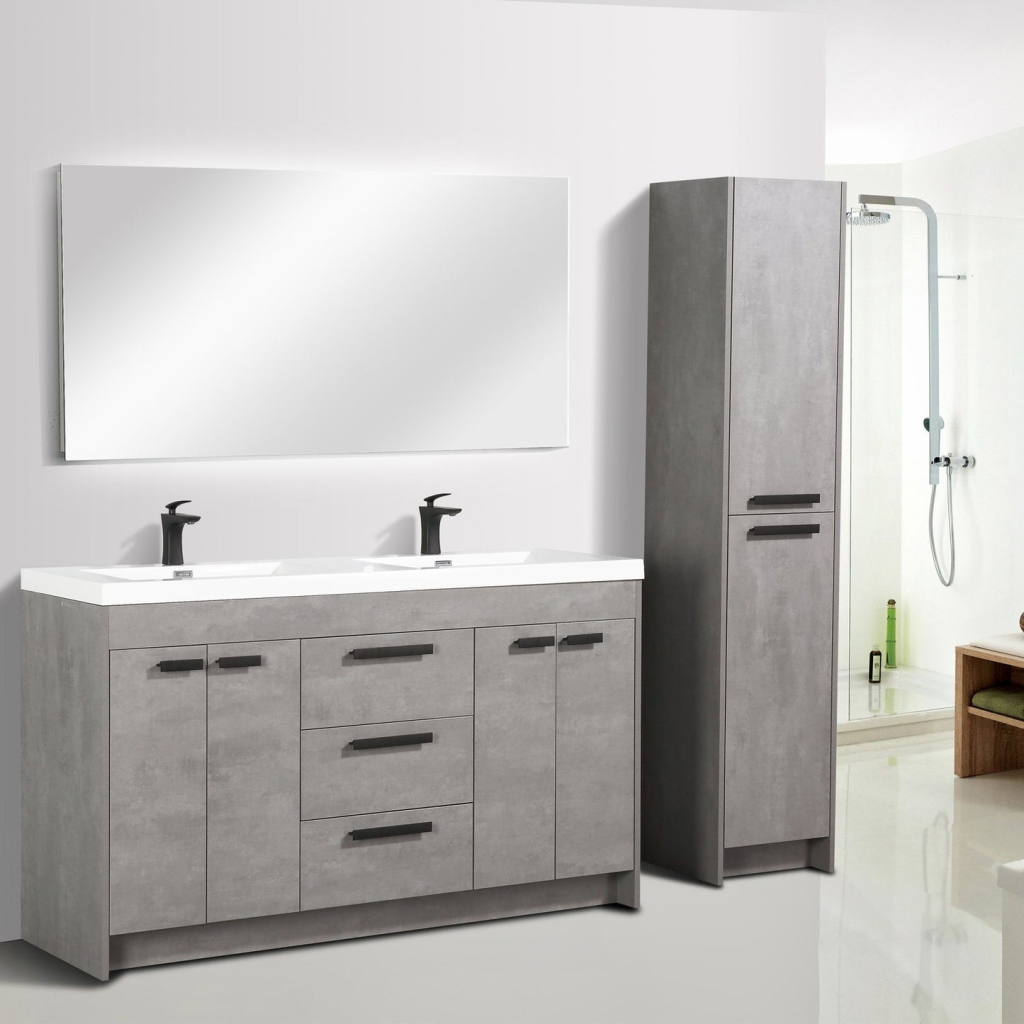
Bathroom value engineering should protect the function, appearance and service life that matter to the project while removing cost that does not support those outcomes. It is not a late request for a cheaper imitation. A disciplined process defines non-negotiables, exposes cost drivers and evaluates alternatives with comparable evidence.
Define value before discussing price
Start with the project’s success criteria. A hotel operator may prioritize cleaning access, replaceable components and consistent room appearance. A residential developer may prioritize buyer-facing design, installation speed and controlled options. An importer may need a coherent retail range, dependable packaging and repeat-order continuity. The same product can deliver different value in each context.
Write a short value statement for every product family. For example: “Provide a wall-hung vanity with the approved visual character, coordinated basin and practical service access within the target installed budget.” This gives the team a basis for rejecting alternatives that reduce purchase price but undermine the intended result.
Separate requirements into three levels
| Level | Meaning | Example |
|---|---|---|
| Non-negotiable | Required for safety, fit, code, function or design intent | Finished dimensions, mounting strategy or exact electrical configuration |
| Performance target | Outcome that can be met by more than one solution | Cleanable matte surface or defined storage capacity |
| Preference | Desirable feature that may be traded against budget | Unseen internal finish, decorative detail or optional mirror function |
The design, technical, operations and commercial reviewers should agree this hierarchy before alternatives are solicited. If everything is described as mandatory, the supplier cannot propose meaningful changes. If nothing is protected, cost reduction can erase the product’s purpose.
Establish a comparable cost baseline
Normalize quotations to the same scope. Confirm whether the vanity price includes top, basin, hardware, mounting parts and packaging. Confirm whether a mirror price includes the selected functions, driver, mounting, labels and required documents. Separate tooling, samples, special testing, artwork, spare parts and logistics where relevant.
Do not compare unit prices that use different trade terms or quantities without adjustment. State currency, Incoterm and named place, packaging assumption and destination-document responsibility. The baseline should show what is included, excluded and provisional.
Identify cost drivers by product system
Bathroom furniture cost may be influenced by substrate, finish process, cabinet geometry, drawer and door count, hardware, countertop, basin, machining, assembly and packaging. Mirror cost may be influenced by glass size and treatment, frame or backing, lighting density, driver and controls, feature count, mounting and protective packing. Complex combinations can increase development and quality-control work even when the visible difference seems small.
Ask the supplier to identify major cost drivers and the technical consequence of changing each one. A good alternative proposal describes the affected drawing, material, appearance, function, evidence and price—not merely a percentage saving.
Use platform thinking to reduce unnecessary variation
Standardize hidden interfaces where it does not compromise design. Several vanity widths may share the same depth, mounting logic, hardware family and service-zone approach. Multiple mirror sizes may share a controlled electrical platform while keeping model-level ratings and labels. Common platforms can simplify samples, spare parts and repeat-order records.
Review every variation in the schedule. Does it support a room type, price point or user need? If two finishes appear almost identical, one may be removed. If a custom dimension differs only slightly from a suitable existing model, compare the spatial benefit with added drawing, tooling or packing complexity. Browse the ArcQuay product catalogue to identify available starting platforms before commissioning a new configuration.
Engineer the vanity without weakening interfaces
Potential vanity studies can include simplifying cabinet geometry, reducing unnecessary partitions, aligning widths with material utilization, using a common hardware family, changing decorative details or selecting a different top and basin arrangement. Each proposal must preserve structural needs, plumbing clearance, mounting, usable storage and the approved visual intent.
Material substitutions require more than a colour match. Compare substrate, surface, edge treatment, exposed cut-outs, fastener holding, moisture exposure, cleaning and repair. Avoid broad labels such as “waterproof.” Record the exact approved construction and treat any later change as a new evaluation.
Engineer the mirror by function priority
Create a feature matrix that distinguishes required lighting, switching, anti-fog or other functions from optional features. Removing a low-value function can reduce component count and simplify operation, but the effect on user experience and electrical configuration should be reviewed. Decorative frame, backplate and mounting options can also affect price and installation.
Powered samples should be tested in a realistic room-lighting context. Review brightness distribution, colour appearance, control behavior, defog coverage where selected, cable location and mounting. Destination requirements apply to the exact model and component configuration; lower cost does not justify using unrelated evidence.
Evaluate total installed and operating impact
A cheaper product can create cost elsewhere. Check whether the alternative changes wall reinforcement, plumbing position, electrical work, installation time, breakage risk, carton volume, cleaning effort or spare-parts inventory. Ask the site and operations teams to review these effects before approval.
Use project-specific data rather than universal lifecycle claims. If your installer can estimate labour difference, include it. If the operator has maintenance history for a finish or component, use that evidence. Where data is unavailable, record the uncertainty instead of presenting an assumption as a saving.
Control samples and alternates
Give each value-engineering proposal an alternate number. Record the baseline requirement, proposed change, reason, price impact, schedule impact, evidence required and reviewers. The decision should be “approved,” “rejected” or “revise and resubmit,” with a date and affected products.
Approve physical finishes and functional samples at the appropriate level. If an alternative changes dimensions or interfaces, update drawings and the room mock-up. Once accepted, incorporate the alternate into the purchase order and specification revision. A value-engineering log should not remain separate from production instructions.
A practical value-engineering checklist
- Success criteria and protected design intent are written.
- Quotation scope and trade terms are normalized.
- Each proposal names the exact product and revision affected.
- Material, function, installation and destination evidence are compared.
- Site, operations and replacement effects are reviewed.
- Samples and drawings are reapproved where needed.
- Accepted changes are transferred into controlled order records.
Request alternatives that can be evaluated
Give suppliers a target and the freedom to propose solutions, but require transparent trade-offs. ArcQuay’s custom service process can support option definition, while project solution planning helps organize room and stakeholder inputs. Send the baseline specification, target budget and non-negotiables when you request a quotation.